
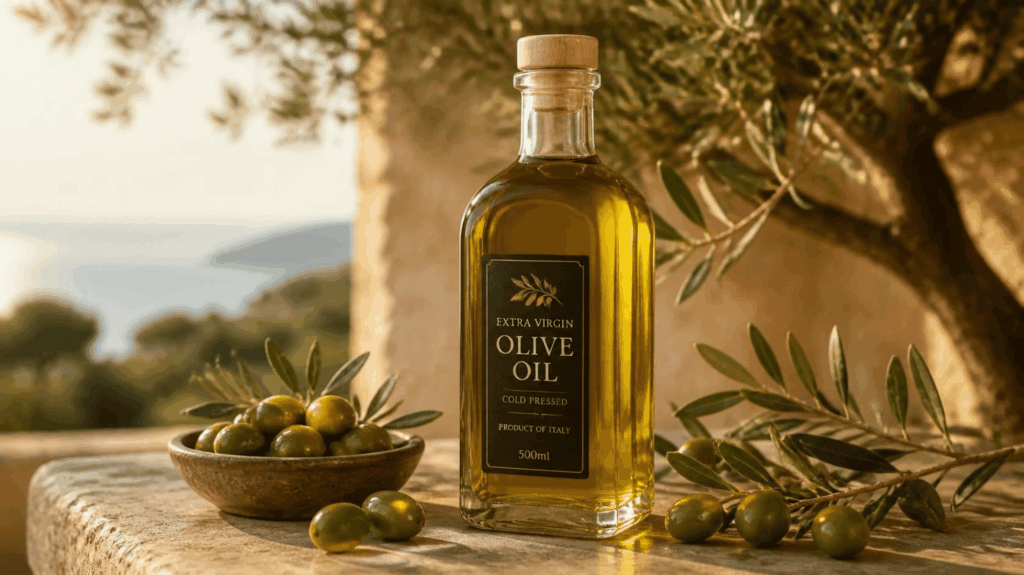
Extra virgin olive oil is one of the most versatile cooking oils available. It can be used for sautéing, roasting, grilling, baking, salad dressings, marinades, bread dipping, pasta, and finishing cooked foods.
For home cooks looking for an ingredient that combines practicality with distinctive olive flavor, extra virgin olive oil offers countless possibilities.
What Is Extra Virgin Olive Oil?
Extra virgin olive oil is produced from olives using mechanical processes without the refining methods commonly used for many other cooking oils. This helps preserve the natural aroma and flavor of the olives.
Depending on the olive variety, growing region, and harvest, extra virgin olive oil may taste mild, fruity, grassy, peppery, or slightly bitter. These natural differences make olive oil useful both as a cooking ingredient and as a finishing oil.
How to Use Extra Virgin Olive Oil for Cooking
Extra virgin olive oil can be used throughout the cooking process. It works well for sautéing ingredients such as:
Garlic
Onions
Peppers
Spinach
Zucchini
Potatoes
Eggs
Chicken
Fish
Use a small amount to create a flavorful base for vegetables, pasta dishes, soups, sauces, and many other meals.
Extra Virgin Olive Oil for Roasting Vegetables
Extra virgin olive oil is an excellent choice for roasted vegetables. Toss vegetables with olive oil before adding herbs and seasonings. The oil helps coat the ingredients evenly and contributes to browning during cooking. Popular choices include:
Potatoes
Carrots
Broccoli
Cauliflower
Asparagus
Brussels sprouts
Onions
Bell peppers
Squash
Add garlic, rosemary, thyme, oregano, salt, or pepper for additional flavor.
Extra Virgin Olive Oil for Salad Dressing
Homemade salad dressing is one of the easiest ways to enjoy extra virgin olive oil. Combine olive oil with lemon juice or vinegar and add your favorite seasonings.
A simple vinaigrette can include extra virgin olive oil, balsamic vinegar, mustard, garlic, salt, and black pepper.
Because the oil remains uncooked, its natural aroma and flavor become an important part of the dressing.
Extra Virgin Olive Oil for Bread Dipping
Extra virgin olive oil is ideal for serving with fresh bread. Pour a small amount into a shallow dish and add herbs, garlic, pepper, Parmesan, balsamic vinegar, or red pepper flakes.
Serve it with crusty bread, focaccia, or flatbread for a simple appetizer or side dish.
Extra Virgin Olive Oil for Pasta
Extra virgin olive oil can replace heavier sauces in many pasta dishes.
Gently cook garlic in olive oil, add vegetables or herbs, and toss the mixture with freshly cooked pasta.
A final drizzle of extra virgin olive oil before serving can add additional flavor and aroma.
Extra Virgin Olive Oil for Marinades
Olive oil makes a practical base for homemade marinades. Combine it with lemon juice, vinegar, herbs, garlic, and seasonings for use with:
Chicken
Beef
Fish
Seafood
Vegetables
Extra virgin olive oil helps distribute seasonings evenly while adding flavor to the finished dish.
Extra Virgin Olive Oil for Grilling
Use extra virgin olive oil when preparing food for the grill. Lightly coat vegetables, chicken, fish, or meat before adding seasonings.
It works particularly well with grilled zucchini, peppers, mushrooms, onions, asparagus, fish, and poultry.
Extra Virgin Olive Oil for Baking
Extra virgin olive oil is also useful in baked recipes. It can be incorporated into:
Focaccia
Pizza dough
Muffins
Quick breads
Cakes
Savory breads
Olive oil pairs especially well with citrus, nuts, herbs, chocolate, and fruit.
Extra Virgin Olive Oil as a Finishing Oil
Not every use for extra virgin olive oil requires cooking. Drizzle it over food immediately before serving to bring its natural flavor forward. Try it over:
Pizza
Pasta
Soup
Beans
Roasted vegetables
Fish
Grilled meat
Tomatoes
Bread
A flavorful extra virgin olive oil can add a final layer of richness without requiring another sauce or complicated preparation.
How to Store Extra Virgin Olive Oil
Store extra virgin olive oil away from excessive heat and direct sunlight. Dark glass bottles and metal containers help protect the oil from light.
A cool kitchen cupboard is generally preferable to storing the bottle immediately beside a stove or oven.
Once opened, use the oil regularly so you can enjoy it while its flavor remains fresh.
Buy Extra Virgin Olive Oil for Everyday Cooking
Extra virgin olive oil is useful because it does not belong to just one type of recipe. One bottle can be used to sauté vegetables, roast potatoes, prepare marinades, dress salads, bake bread, cook pasta, grill meat, and finish a meal at the table.
Whether you are an experienced cook or simply want a dependable ingredient for everyday meals, extra virgin olive oil deserves a regular place in your kitchen.
Choose a quality extra virgin olive oil and put it to work in the meals you already make.